In-person evening course
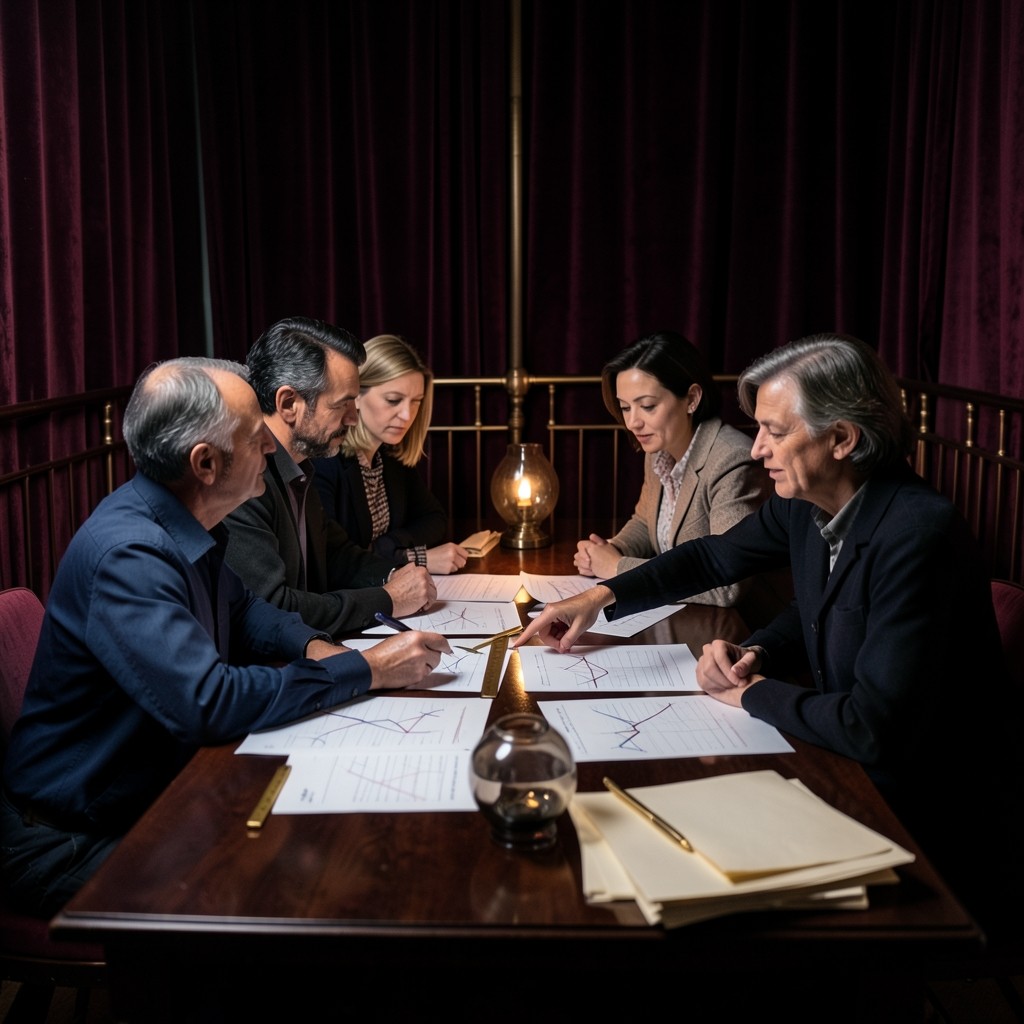
Advanced Trend and Volatility Desk
Twelve evenings of pencil work on trend legs, quiet ranges, and the short volatility note that sits beside a finished chart.
Six weeks, Tuesday and Thursday, 18:30–20:45
28,000 THB per seat
A 6,000 THB deposit holds the seat. The balance is paid on the first evening, before the chart pack is opened.
Reserve a desk seat
Who sits for this
People who already keep a chart journal and can name a swing high without looking it up. Most seats are taken by independent chart keepers in Bangkok, a few by staff from dealing rooms who want a slower evening than the office allows.
What you leave with
By the sixth week each student can mark a trend leg, say whether the latest range has expanded or gone quiet, and write a three-sentence volatility note that another person in the room can follow.
In the room
Included
- Twelve classroom evenings, two a week, with Anong Srisawat or Prasit Wongchai in the room
- A printed chart pack of historical windows, prepared for that cohort
- A cloth-bound volatility workbook with the week-by-week prompts
- Two marked-chart reviews: one in week three, one during the closing critique
- Tea at the break, and a seat at the same desk for the whole six weeks
Outside the fee
- Live order calls, brokerage accounts, and any arrangement that places a trade for a student
- A license for charting software, a data feed, or a screen in the classroom
- Forecasts written for a third party, including an employer or a family portfolio
- Seats beyond the ten-person room, or a recording of the evening
How the hours proceed
Anong Srisawat leads the trend-structure evenings. Prasit Wongchai leads the range and volatility evenings. Both stay for the week-six critique.
-
Week 1 — Naming the leg
Students receive twelve historical windows and practice stating where a trend leg starts and ends, using only swing points. No second line is allowed until the first one can be defended out loud.
-
Week 2 — Breaks that return
The desk studies pushes that leave a range and come back inside before the week closes. The exercise is to mark the return, not to invent a reason for it.
-
Week 3 — Quiet weeks
Students hand-count the range of a quiet stretch and then leave the chart alone. The mid-course review uses one page from this week.
-
Week 4 — Expansion
A wide range is laid over the trend line already drawn. The question is what the earlier line still explains, and what it no longer covers.
-
Week 5 — The volatility note
Three sentences beside the chart: what the trend is doing, what the range has done, and what the student will watch next. No new lines that week.
-
Week 6 — Desk critique
Each student presents two pages. Anong or Prasit replies in pencil on the sheet. The cohort hears every reply.
Before you come
Bring the chart journal you already keep, a pencil, and an eraser. If you do not yet have a journal, start one two weeks before the first evening and bring whatever pages you have. Printed materials are supplied. Laptops stay in the bag.
Limits
Ten seats. The course runs only when at least six deposits are in. Evenings are in English. Missing more than two sessions means the closing critique is postponed to the next cohort, because the reply depends on work the room has already seen.
14/2 Charoen Krung Rd, Bang Kho Laem, Bangkok 10120
Write to the academy with the cohort month you prefer. We answer within two working days with the remaining seats and the deposit instructions.
Fee notes · How a desk evening runs